
Research Themes
Research within the School of Optometry and Vision Science has been grouped into several broad themes. Learn more about the exciting work taking place in the labs associated with each area of research.
Ageing Vision
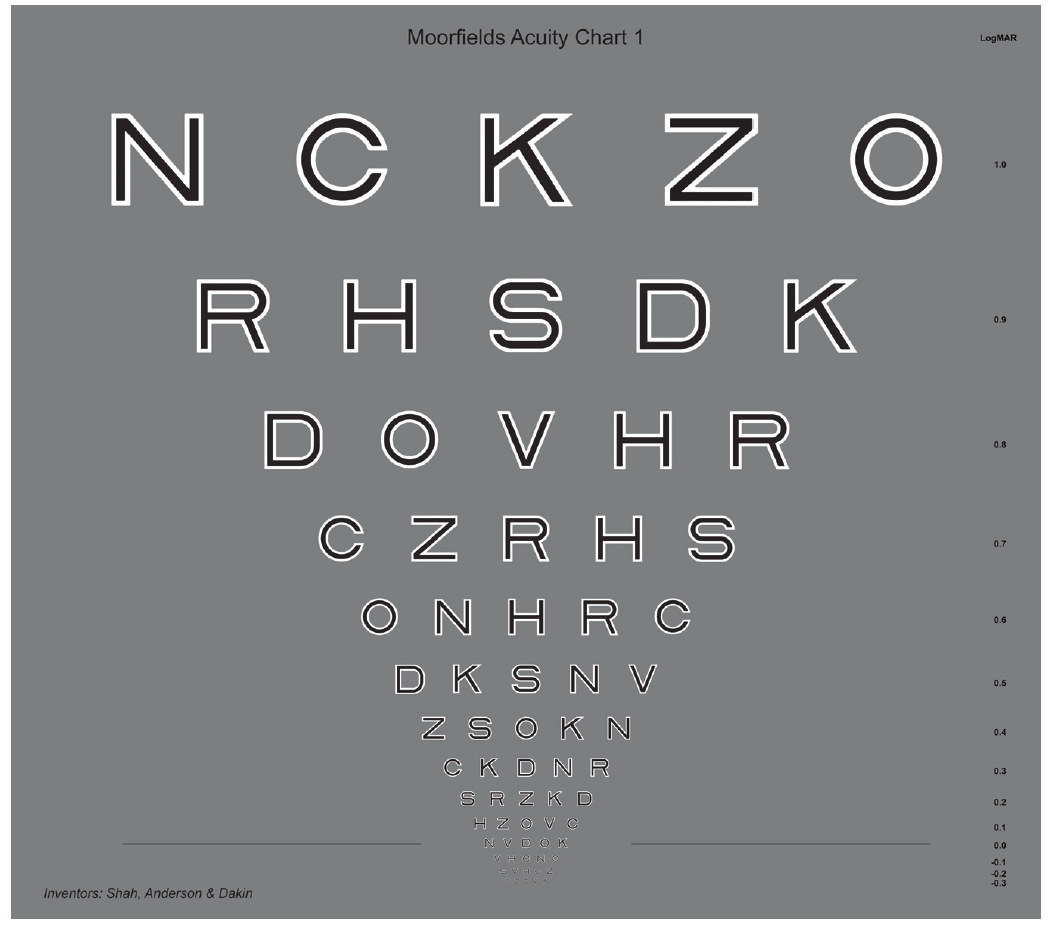
As we age, changes occur to our vision and eye health. With an ageing population, age-related diseases of the eye such as glaucoma and macular degeneration, are becoming more prevalent. Researchers in the School of Optometry and Vision Science are working to enable improved detection and monitoring of age-related eye conditions and identify potential markers of disease progression in neurodegenerative disorders such as Alzheimer’s disease.

Childrens' Vision
Between 1 in 10 and 1 in 20 New Zealand children have some form of vision problem which, if left untreated, could affect literacy and academic performance. Our research is opening up more effective ways of catching vision problems earlier, and developing innovative ways of treating those problems to reduce longterm effects on children.

Myopia (short sightedness)
The prevalence of myopia is high and increasing: it is now around 25% in USA and Europe, but up to 70% in parts of Asia. Myopia poses significant socioeconomic problems. In addition to the cost of spectacles or contact lenses it increases the risk of glaucoma and cataract. High myopia also increases the risk of retinal detachment, retinal degeneration and visual impairment, and imposes an increasing burden on our health system.
Community Eye Health
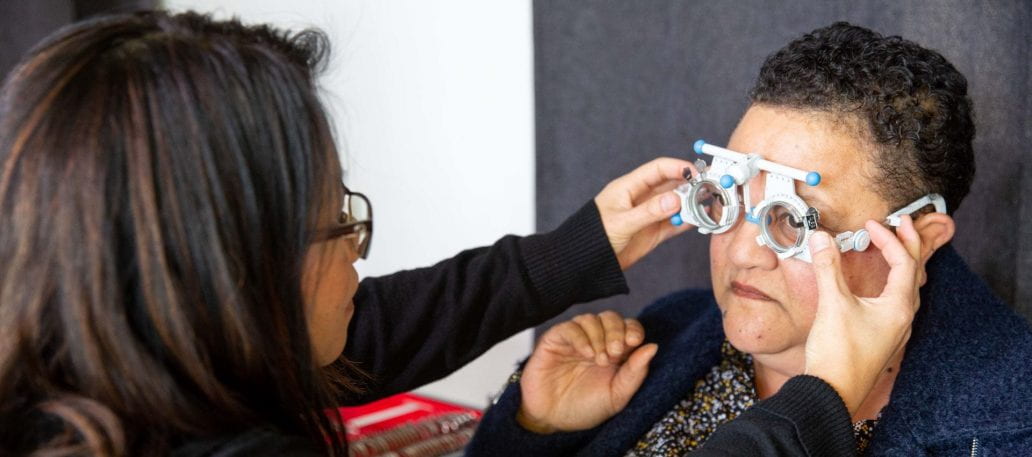
We want everyone living in Aotearoa to have good eye health. Good eye health supports overall health and wellbeing and enables participation with whānau, in the community, at school and at work. Our work aims to identify ways to deliver more accessible and equitable eye health services and improve eye health in Aotearoa, particularly for under-served communities. Find out more about our work here.
Physiological optics of the eye
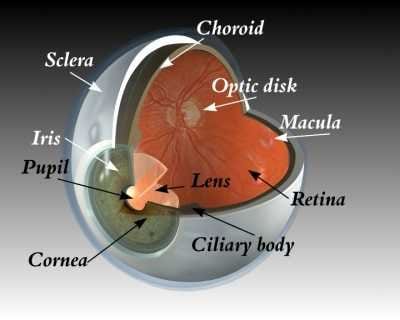
Physiological homeostasis and optical performance of the eye are inter-related, and constantly changing due to aging or pathology. We use novel multi-modal imaging methods to quantify, correlate and simulate these changes throughout life. Such knowledge is essential for developing effective non-invasive therapies for vision-degrading pathologies of old age.
Technology & Vision
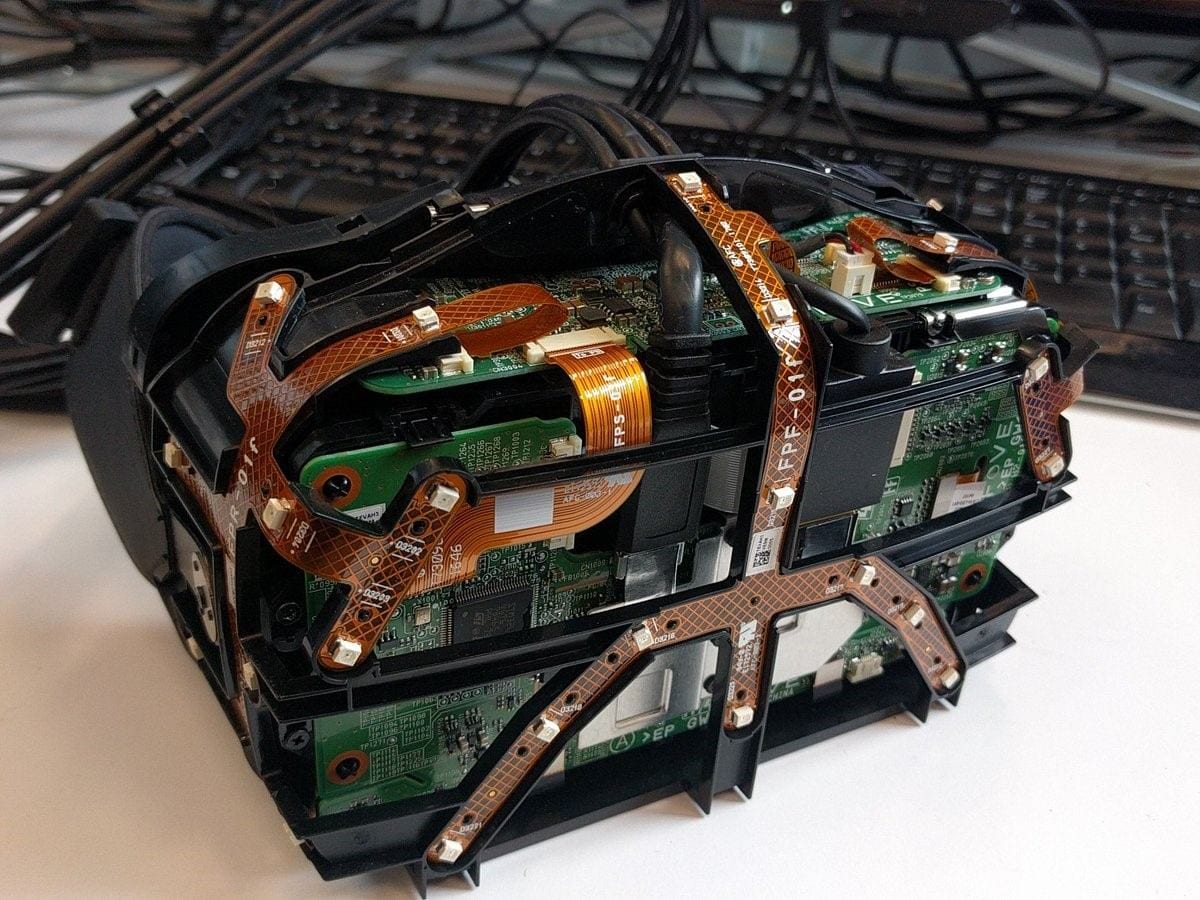
Accurate measures of visual function are required in order to detect subtle changes due to disease, and to determine the effectiveness of treatments. By utilising technologies such as virtual reality, eye tracking, and electrophysiology, we are developing new and objective techniques and tools to improve clinical outcomes.
Vision Neuroscience
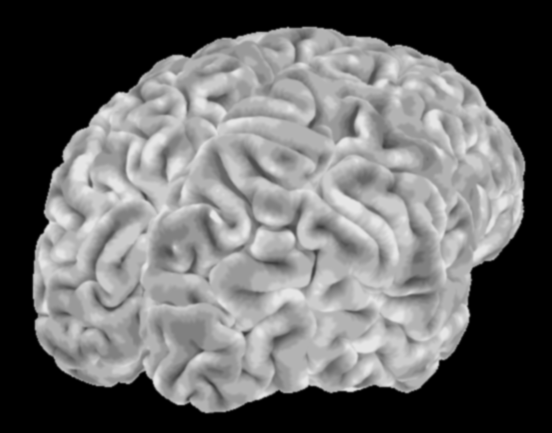
Our school studies the neural mechanisms underlying visual perception using a combination of psychophysical experiments, brain imaging, and mathematically modelling.